
How Renovations Can Influence Home Value

Most home renovations increase value by 50% to 80% of what you spend, but ROI varies depending on project type, design quality, and market conditions. For homeowners planning to remodel, understanding which projects truly pay off can help protect your investment and maximize resale appeal.
The Short Answer: How Much Does a Renovation Increase Home Value?
On average, home renovations increase value by 60–70% of the project cost. That means a $100,000 remodel could boost your home’s value by about $60,000–$70,000. The exact ROI depends on several factors:
Type of renovation – kitchens and bathrooms consistently yield the highest returns.
Quality of design and execution – homes renovated by professional design-build teams tend to appraise higher.
Market expectations – in high-value areas like Westchester and Fairfield Counties, buyers prioritize craftsmanship and design cohesion.
Timing of sale – if you sell within a year or two, cosmetic upgrades matter most; long-term, layout and structure drive ROI.
Remember, ROI percentages show value gained relative to cost—not pure profit. A beautifully designed renovation also improves livability and buyer appeal beyond the numbers.
Average ROI by Renovation Type (National Averages)
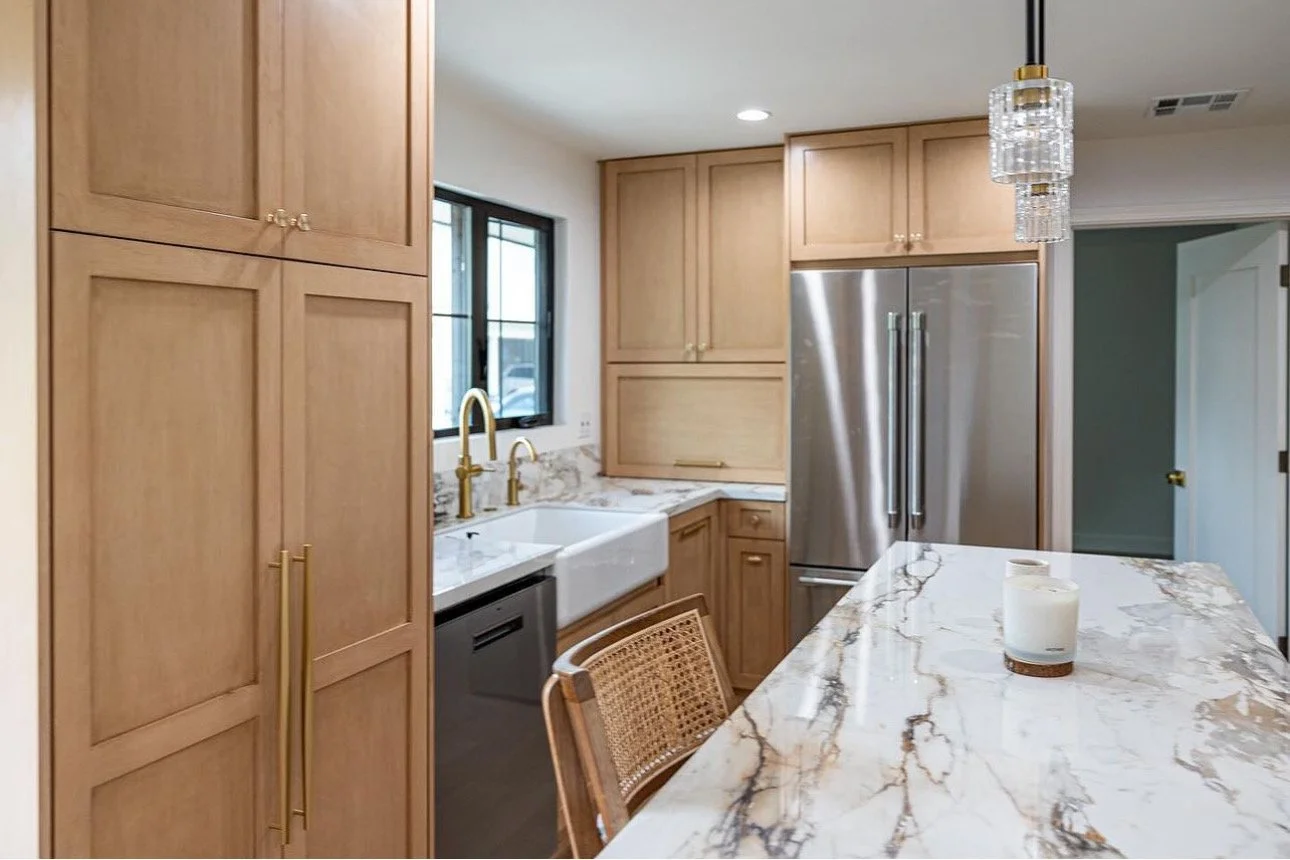
Kitchen Renovations
Minor kitchen remodels typically recoup 72–81% of their cost, while major remodels average 56–65% ROI. Costs can range from $25,000 for smaller updates to $150,000+ for high-end overhauls. Because kitchens set the tone for a home, buyers often pay a premium for modern layouts, luxury finishes, and integrated cabinetry.
Bathroom Renovations
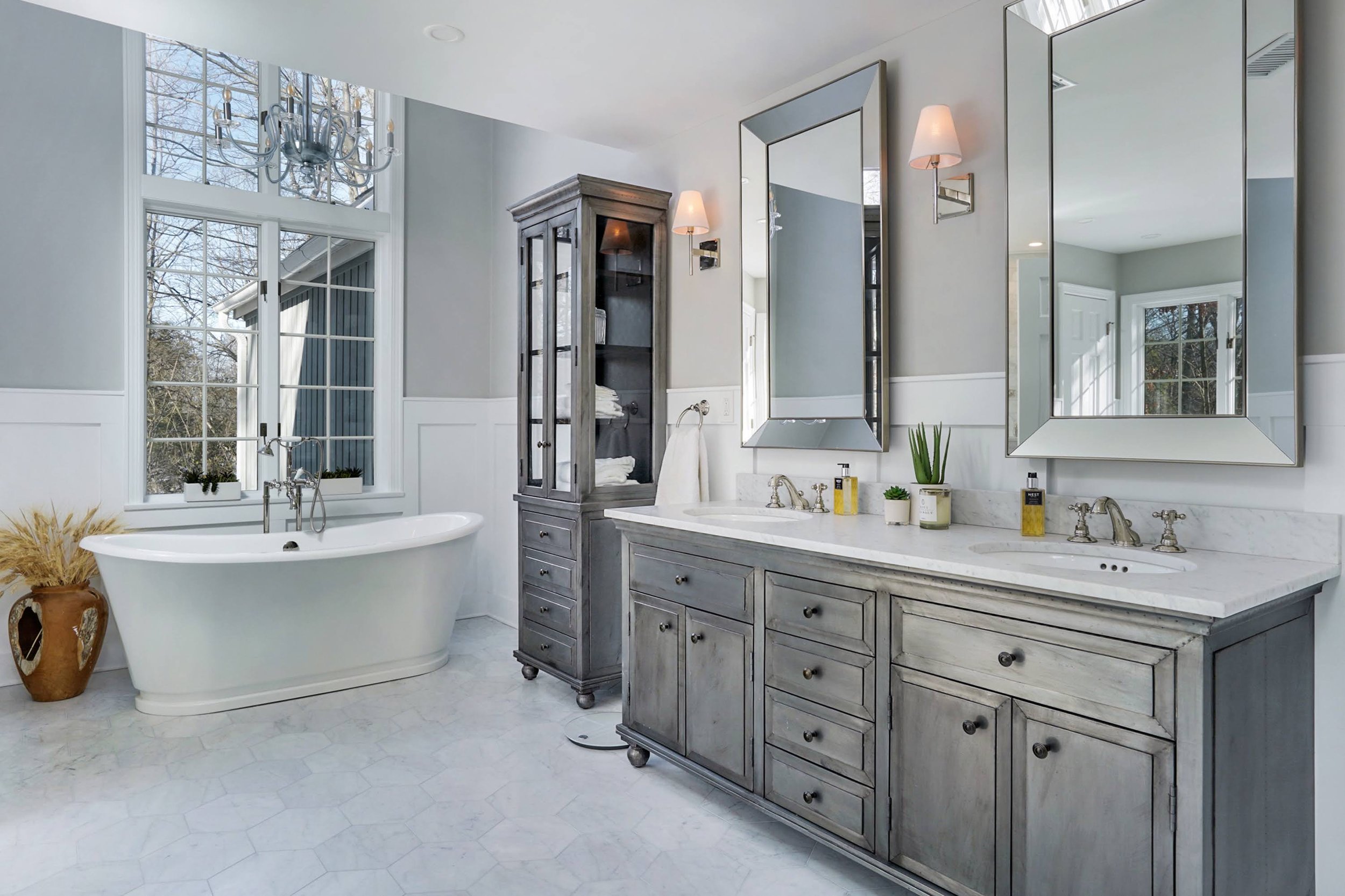
Bathroom remodels return 60–70% of their cost on average, with primary suites yielding the highest payback. Luxury bathrooms—featuring walk-in showers, freestanding tubs, and double vanities—perform particularly well in high-end markets.
Exterior & Structural Improvements
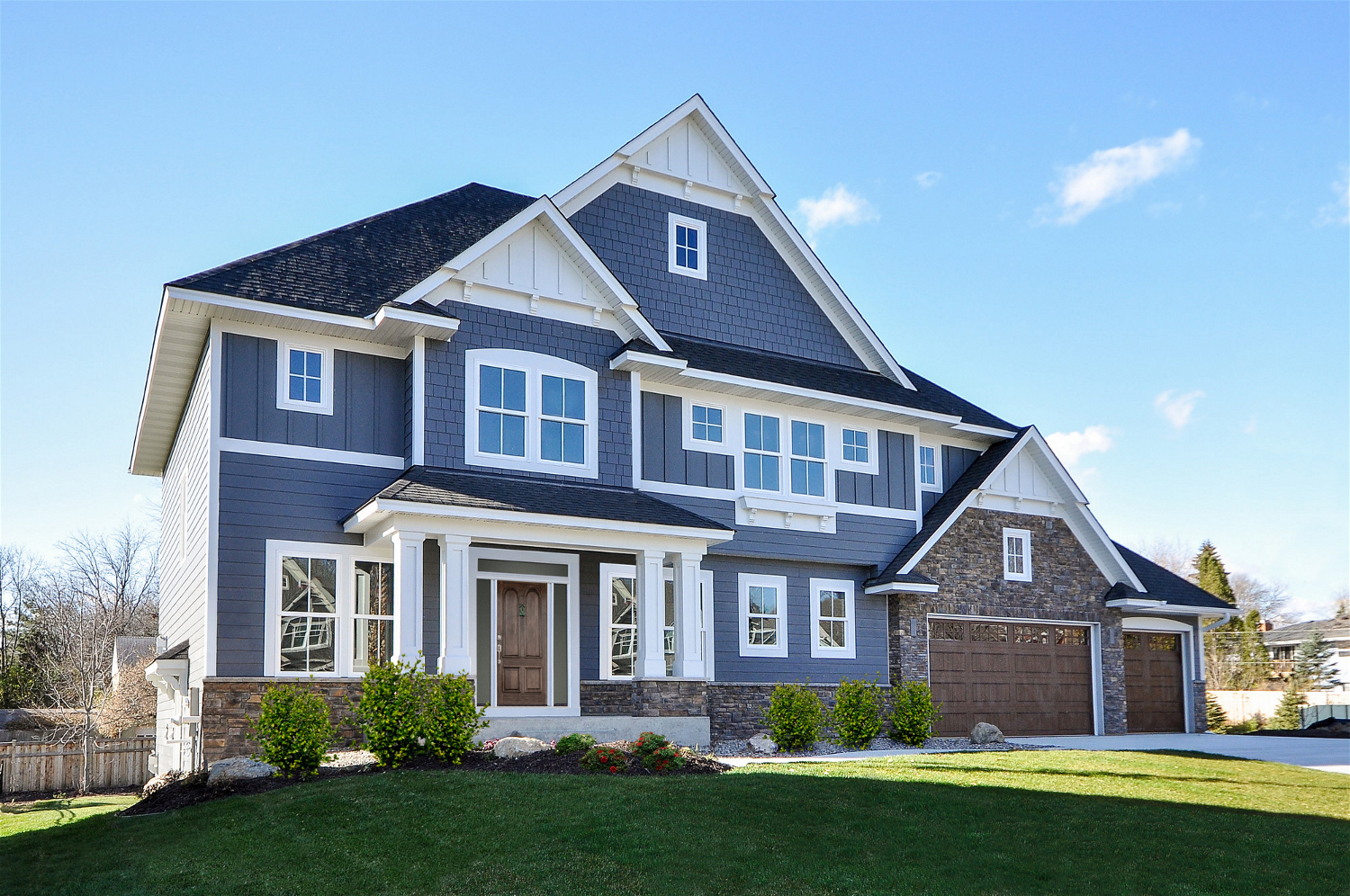
Roofing, siding, and window replacements typically recoup 60–75%, while curb appeal projects like entry doors or garage doors can exceed 85% ROI. These upgrades protect long-term value, improve energy efficiency, and reassure buyers during appraisal.
Renovations That Add the Least Value (and When ROI Drops)
Not every renovation delivers strong returns. ROI falls when homeowners over-improve—spending beyond what surrounding properties can support. Examples include:
Custom or themed spaces (e.g., built-in bars, media rooms)
Overbuilt additions that exceed neighborhood size norms
Trend-heavy materials or overly personalized finishes
Keeping renovations aligned with local buyer expectations ensures long-term value and minimizes risk.
Appraised Value vs. Resale Value: What’s the Difference?
Appraised Value – Based on objective assessments by lenders or appraisers using comparable sales data.
Resale Value – Driven by what buyers are actually willing to pay, influenced by design, finishes, and emotional appeal.
Some projects, like curb appeal upgrades or kitchen redesigns, may boost resale more than appraisal. A cohesive, design-forward renovation enhances both.
Simple ROI Formula Homeowners Can Use
To estimate your renovation’s return:
(Increase in Home Value – Renovation Cost) ÷ Renovation Cost = ROI
For example, if a $50,000 kitchen remodel raises value by $35,000, your ROI is 70%. Keep in mind this is only an estimate; true ROI depends on market timing and buyer demand.
Renovation ROI Based on Selling Timeline
Selling Within 1–2 Years
Focus on highly visible updates—kitchens, bathrooms, and curb appeal. These deliver the quickest payback at resale.
Selling in 5+ Years
Consider layout improvements, additions, and energy-efficient upgrades. Quality construction and cohesive design appreciate over time, offering stronger long-term ROI.
Renovation ROI Comparison Table
| Renovation Type | Typical Cost Range | Average ROI | Risk Level | Best For |
|---|---|---|---|---|
| Kitchen Remodel | $25K–$150K | 56–81% | Low | Resale & Long-Term |
| Bathroom Remodel | $15K–$75K | 60–70% | Low | Resale & Long-Term |
| Roofing / Siding | $10K–$50K | 60–75% | Medium | Long-Term |
| Additions | $75K–$250K+ | 50–65% | Medium | Lifestyle Use |
| Luxury Custom Projects | Varies | 30–50% | High | Personal Enjoyment |
Renovate for Value, Not Guesswork
Most renovations increase home value, but what you renovate and how you execute it make the difference between profit and regret. The strongest returns come from design-forward kitchens, spa-inspired bathrooms, and cohesive exterior improvements.
High-ROI renovations require planning and professional coordination. Homeowners exploring a remodel can learn more through Chris Craftsman Development’s full home renovation services, which combine design guidance and construction expertise into one seamless process. As a family-owned, design-build general contractor serving Westchester and Fairfield Counties since 1991, their in-house design team and white-glove approach ensure every detail supports long-term value.
Frequently Asked Questions About Renovation ROI
1. Is it better to renovate before selling or sell as-is?
It depends on the home’s condition and local market. Targeted updates—like modernizing kitchens and baths—can significantly boost buyer interest and sale price.
2. Which renovation adds the most value to a home?
Kitchens lead the pack, followed by primary bathrooms and curb appeal upgrades. In luxury markets, cohesive design and craftsmanship can command premium pricing.
3. What decreases property value the most?
Poor-quality work, inconsistent design, and cheap finishes. Overly personalized renovations may also limit buyer appeal.
4. What renovations don’t add value?
Projects with narrow appeal—like home theaters or specialty hobby rooms—often deliver low or negative ROI. Keep design timeless and materials durable for the best long-term return.
